Compare and Connect with Local Contractors for Interior Home Improvements
Compare local contractors to define project scope, verify experience, and set clear expectations to ensure a successful interior home improvement.
Interior home improvement contractors typically handle a wide range of projects aimed at enhancing the functionality and aesthetics of interior spaces. This can include tasks such as remodeling kitchens and bathrooms, installing new flooring, updating lighting fixtures, or building custom storage solutions. These projects often involve coordinating various trades, managing materials, and ensuring that the work aligns with the homeowner’s vision and existing structural elements. Understanding the scope of these services helps property owners plan effectively and communicate their needs clearly to potential service providers.
Defining the scope of work is a critical step in working with interior contractors. A well-detailed scope clarifies what tasks are included, the materials to be used, and the expected outcomes, which helps prevent misunderstandings and scope creep. Property owners should consider creating written descriptions of their project goals, specific preferences, and any constraints before engaging with contractors. Clear documentation ensures that all parties have aligned expectations and provides a reference point throughout the project, fostering smoother communication and reducing the potential for disputes.
When comparing local contractors for interior home improvements, property owners should evaluate their experience with similar projects and their ability to deliver quality work. It’s helpful to review their portfolios or ask for references to gauge past work and reliability. Additionally, understanding how contractors communicate and how they approach project planning can reveal their professionalism and responsiveness. Comparing service providers based on their expertise, communication style, and ability to meet the defined scope can assist property owners in selecting the right partner for their interior improvement needs.
Compare local contractors by outlining project priorities, verifying experience, and clearly defining expectations in writing.
- Compare Contractor Experience - Review the backgrounds of local contractors to ensure they have relevant experience for your interior home improvement project.
- Define Project Scope Clearly - Clearly outline the work to be done and set expectations in writing to avoid misunderstandings.
- Verify Credentials and References - Check references and past work to assess the reliability and quality of local service providers.
- Establish Written Agreements - Document project details, responsibilities, and expectations to facilitate smooth communication and accountability.

Clearly define your interior home improvement project to effectively compare service providers and set clear expectations.
- Verify experience and reputation of local contractors in interior home improvement projects. - Look for service providers with a proven track record in similar interior renovations.
- Define the scope of work clearly in writing to set expectations for the project. - Ensure all details, materials, and finishes are documented to prevent misunderstandings.
- Compare multiple local contractors to assess their expertise and approach to interior upgrades. - Review their portfolios, reviews, or references to gauge quality and reliability.
- Check that service providers understand your design preferences and functional needs. - Communicate your vision and ensure it aligns with their proposed solutions.
- Request detailed proposals that outline the work to be performed and materials to be used. - This helps in evaluating the thoroughness and professionalism of each contractor.
- Confirm that all project expectations and responsibilities are documented before work begins. - Proper documentation helps protect both parties and facilitates smooth project execution.
Compare local contractors, clarify project scope, verify experience, and document expectations for a successful interior upgrade.



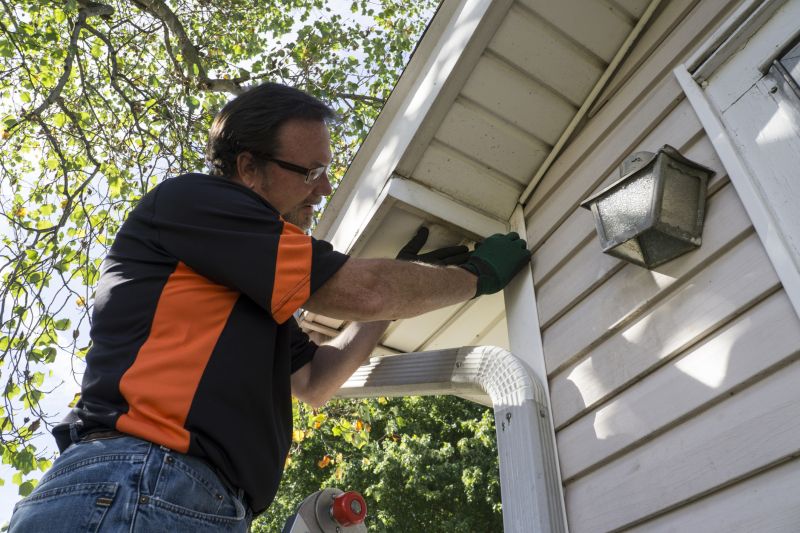
Use consistent comparison criteria to evaluate contractors’ scope, experience, and written expectations for interior home improvements.
- Define the scope of work - clearly outline the specific interior improvements needed to guide contractor selection.
- Verify experience and expertise - assess the background of local contractors to ensure they have relevant project experience.
- Establish project expectations in writing - document the desired outcomes, materials, and standards to prevent misunderstandings.
- Compare service providers - evaluate multiple local contractors based on their portfolios, reviews, and proposed approaches.
- Confirm communication and availability - ensure the contractor’s communication style and availability align with project needs.
When evaluating contractors for interior home improvement projects, it’s important to consider their experience with similar types of work. Service providers who have a track record of handling projects like yours are more likely to understand the specific challenges and requirements involved. Asking about their past projects that resemble your scope can provide insight into their expertise and familiarity with the work you need done. This helps ensure that the contractor has relevant experience, which can contribute to a smoother process and a more satisfactory outcome.
A clear, written scope of work is essential when comparing contractors. A detailed description of the tasks, materials, and expectations helps prevent misunderstandings and sets a solid foundation for the project. When reviewing proposals or discussing plans, look for service providers who can articulate the scope in writing. This document should outline the work to be performed, materials to be used, and any specific details that are important to you. Having a comprehensive scope in writing also makes it easier to compare different contractors objectively and ensures everyone is aligned on what will be delivered.
Verifying the basics of a contractor’s background involves checking references, reviews, and their general reputation within the local community. While licensing and certification are not the focus here, gathering feedback from previous clients can reveal how contractors communicate, manage projects, and resolve issues. Asking for references or reading reviews can help confirm the quality of their work and reliability. Additionally, understanding their process for handling unexpected problems or changes during the project can provide clarity on how they operate and whether they align with your expectations.
When evaluating options, it’s crucial to focus on how well each contractor’s approach matches your project needs and expectations. Consider their experience, the clarity of their scope, and the consistency of their communication. Comparing the details of their proposals, the thoroughness of their written scope, and feedback from previous clients can help identify the most suitable service providers. Remember, the goal is to find professionals who can deliver quality work aligned with your project goals, based on their experience and the clarity of their proposed approach.
Request written scope and details to ensure clear expectations and effective comparison of local contractors.
- Experience and Expertise - How can I verify a contractor’s experience with similar interior home improvement projects?
- Scope of Work - What details should be included to clearly define the scope of the interior renovation?
- Comparison of Services - How do different local contractors’ service offerings and approaches vary for interior upgrades?
- Project Expectations - What should be documented in writing to ensure mutual understanding of project deliverables?
- Work Process and Communication - How can I assess a contractor’s process for managing interior improvements and communicating progress?
How can I compare interior home improvement contractors? To compare local contractors, review their experience, verify references, and check their scope of work to ensure it aligns with project needs.
What should I consider when defining the scope of an interior improvement project? Clearly outline the specific tasks, materials, and desired outcomes to set expectations and help contractors provide accurate proposals.
How can I verify a contractor’s experience? Ask for details about their past projects, request references, and review any portfolios or examples of completed work relevant to interior home improvements.
What is important to include in a written agreement with a contractor? Ensure the scope of work, project specifications, payment terms, and any warranties or guarantees are documented clearly in the contract.
How do I ensure a contractor understands my interior design preferences? Communicate your ideas in detail, provide reference materials if available, and confirm that the contractor has experience with similar styles or projects.
Why is it helpful to get multiple bids from different contractors? Comparing bids allows for understanding different approaches, scope details, and ensures transparency in how each contractor plans to approach the project.
By exploring available service providers, visitors can gain a clearer understanding of how to compare local contractors for interior home improvements. Learning to define the scope of work, verify experience, and set clear expectations in writing helps ensure the project aligns with personal goals. Utilizing the quote form allows for straightforward comparison of options, making it easier to identify suitable service providers for the job.
Taking advantage of the quote form provides an efficient way to connect with local contractors who specialize in interior home improvements. It offers a practical step toward gathering information and understanding the options available. By reaching out through the form, visitors can begin the process of finding experienced service providers ready to assist with their project needs.